
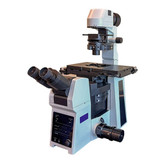
How to Choose a Fluorescence Microscope: A Complete Buyer's Guide for Research Labs
Jul 2nd 2026
Whether you're equipping a university research laboratory, expanding a biotechnology facility, or replacing aging microscopy equipment, choosing the right fluorescence microscope is an important investment. The right system can support years of reliable imaging, while the wrong choice can limit research capabilities, reduce image quality, and require expensive upgrades.
This guide explains how fl
…

The Complete Guide to Buying Microscopes for Colleges and Universities
Jun 26th 2026
Whether you're replacing aging laboratory equipment, expanding a science department, launching a new STEM program, or building an entirely new teaching laboratory, choosing the right microscopes is an investment that will impact students and faculty for years to come.
Unlike microscopes designed for hobbyists or K-12 classrooms, college and university microscopes must withstand daily use, deliver
…
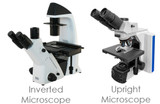
Inverted vs. Upright Microscope: Which Is Right for Your Lab?
Jun 17th 2026
When equipping a research lab, clinical facility, or industrial quality control environment, few decisions carry more weight than choosing the right microscope configuration. Inverted and upright microscopes are both workhorses of modern science — but they are built for fundamentally different tasks. Choose the wrong one and you'll find yourself fighting your equipment every day.
This guide
…
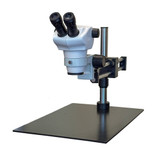
Stereo Microscopy for Material Analysis: When to Use It for Microstructure Evaluation, Surface Inspection, and Failure Analysis
Jun 12th 2026
In materials science, manufacturing, and quality control, understanding the characteristics of a material often begins with visual inspection. Before researchers move to high-magnification imaging techniques such as metallurgical microscopy or scanning electron microscopy (SEM), they frequently rely on stereo microscopes to evaluate samples, identify defects, and determine the next steps in their
…


