
Mitutoyo Mu Checker Systems Explained
Oct 27th 2024
How does Mitutoyo's Mu checker System Work?
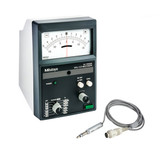
The Mu checker uses the following measurement principle: a differential inductance displacement sensor, which is energized by a 5 kHz AC exciting voltage, is applied across two identical coils connected in series, L1 and L2. An iron core, which is connected to the probe stylus, moves close to both coils. The impedance of each coil varies depending on it
…
Solino Anomaly Detection Images and 3D Images
Sep 30th 2024
Solino: Anomaly Detection & 3D Imaging
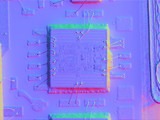
Opto's Solino is a vision imaging sensor that captures object anomalies and 3D images for use in quality control and assurance, automation of manufacturing processes, preventative maintenance, and inspection of fingerprints, dents, cracks, stains, etc.
Solino finds defects beyond the limits of human perception. Solino detects roughness, reflectivity
…
What is a Microscope?
Sep 17th 2024
What is a Microscope?
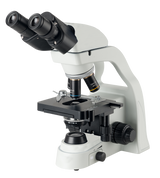
A microscope is an instrument used to magnify objects that can't be viewed with the naked eye or need a bit more magnification in order to see them better.
What can I view with a Light Microscope?
The image below shows a range of sizes from 1 meter to 0.1 nanometers. The human eye can view bats, bugs, and strands of hair. A light microscope helps to magnify blood cells and ba
…
How to Use Your Compound Microscope
Sep 17th 2024
A compound microscope looks something like this:
Start using your compound microscope to observe samples by following these steps. Use the above labeled microscope image if you are unsure where certain parts are located on the microscope.
Plug in your microscope (unless it is cordless), and turn on the light. Tip: Control the light intensity as needed to see your sample clearly. Start wit
…


