
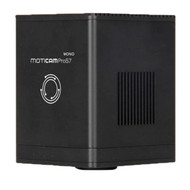
Understanding Dynamic Range and Signal-to-Noise Ratio in Microscope Cameras
Mar 13th 2026
Microscope cameras have become essential tools in modern laboratories, classrooms, and industrial inspection. But when comparing camera specifications, two technical terms often appear that can be confusing: dynamic range and signal-to-noise ratio (SNR) .
Understanding these two factors can dramatically improve the quality of your microscope images. Whether you're documenting samples, capturing research data, or inspecting fine details, choosing a camera with the right balance of dynamic range and SNR makes a noticeable difference.
What Is Dynamic Range in a Microscope Camera?
Dynamic range refers to the camera's ability to capture both very bright and very dark details in the same image.
In microscopy, samples often contain areas with dramatically different brightness levels. For example:
- Bright reflective surfaces
- Dim fluorescent signals
- Transparent structures with subtle contrast
A camera with high dynamic range can capture all of these details simultaneously without losing information.
Example
Imagine imaging a biological sample with bright stained structures and faint background features.
A camera with low dynamic range may:
- Overexpose the bright regions
- Lose the faint details in darker areas
A camera with high dynamic range preserves both.
Why Dynamic Range Matters in Microscopy
High dynamic range is particularly important for:
- Fluorescence microscopy
- Darkfield microscopy
- Live cell imaging
- Materials science inspection
- Metallurgical analysis
These applications often include both intense highlights and extremely subtle signals.
What Is Signal-to-Noise Ratio (SNR)?
Signal-to-noise ratio measures how clearly a camera can distinguish actual image data (signal) from unwanted electronic noise .
In simple terms:
Higher SNR = Cleaner, clearer images
Noise appears as random grain or speckling in an image, especially in low-light conditions.
Microscope cameras generate noise from several sources:
- Sensor electronics
- Thermal activity in the sensor
- Low light amplification
- Long exposure times
When the noise level becomes too high, fine details in the sample become harder to detect.
Why Signal-to-Noise Ratio Is Critical for Microscopy
Microscopy frequently involves very weak signals, particularly in:
- Fluorescence imaging
- Live cell observation
- Confocal microscopy
- Low-light biological samples
A camera with a high signal-to-noise ratio can detect faint structures without introducing distracting grain or artifacts.
Benefits of high SNR include:
- Sharper images
- Better detail detection
- Improved measurement accuracy
- More reliable research data
How Dynamic Range and SNR Work Together
Dynamic range and signal-to-noise ratio are closely related.
Think of dynamic range as the camera's brightness range, and SNR as the clarity of the signal within that range.
A high-quality microscope camera should provide both:
- Wide dynamic range to capture bright and dark structures
- High SNR to keep the image clean and detailed
When both factors are strong, you get:
- Better contrast
- Accurate sample representation
- Reduced need for heavy image processing
Factors That Affect Dynamic Range and SNR
Several hardware characteristics influence these camera properties.
Sensor Size
Larger sensors generally collect more light, improving both dynamic range and signal strength.
Pixel Size
Larger pixels capture more photons, which improves signal strength and reduces noise.
Bit Depth
Higher bit depth allows the camera to capture more levels of brightness.
Common examples:
- 8-bit cameras: 256 brightness levels
- 12-bit cameras: 4,096 brightness levels
- 16-bit cameras: 65,536 brightness levels
Higher bit depth increases dynamic range and detail in subtle structures.
Cooling Technology
Some scientific cameras include sensor cooling, which reduces thermal noise and improves SNR during long exposures.
Choosing a Microscope Camera for Your Application
When selecting a microscope camera, consider how your imaging conditions affect dynamic range and noise.
For Fluorescence Microscopy
Look for:
- High dynamic range
- Excellent signal-to-noise ratio
- Large pixels
- High sensitivity sensors
For Brightfield Imaging
Key factors include:
- Good dynamic range
- Moderate SNR
- High resolution
For Industrial Inspection
Priorities often include:
- High dynamic range
- Fast frame rates
- Low noise in varying lighting conditions
Choosing the Right Microscope Camera
Dynamic range and signal-to-noise ratio are two of the most important specifications to consider when choosing a microscope camera. Together, they determine how accurately your camera can capture the fine details present in microscopic samples.
A camera with strong performance in both areas will produce:
- Clearer images
- Better contrast
- More reliable scientific results
If you're unsure which microscope camera best suits your imaging needs, consulting with microscopy experts can help ensure you choose the right solution for your application.
Looking for the Right Microscope Camera?
At Microscope World, we offer a wide selection of microscope cameras designed for education, research, and industrial inspection. Our team can help you select a camera that delivers the dynamic range and signal clarity needed for your work.


